
Sit in vs sit on kayak: making the right choice for your paddling adventures
Choosing between a sit in vs sit on kayak might seem straightforward at first glance. However, once factors such as comfort, features, and intended use come into play, the decision quickly becomes more nuanced. Both styles have devoted enthusiasts and distinct strengths, depending on what each paddler expects from their kayaking experience. Rather than rushing through the selection process, diving into the details ensures every individual picks the model that best fits personal needs, preferences, and favorite waterways.
Basic design differences that matter
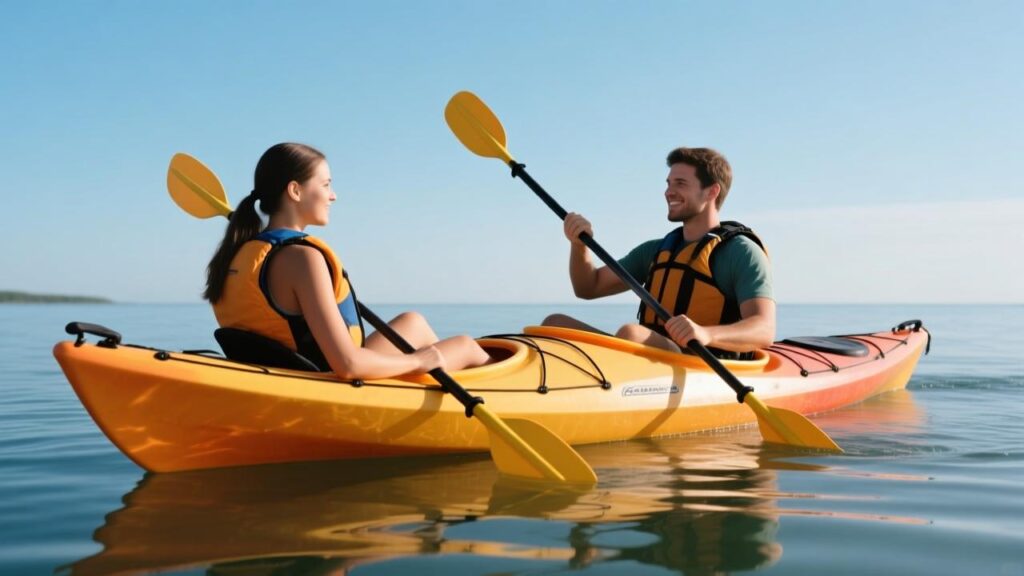
The clearest distinction lies in the seating arrangement. A sit in kayak features an enclosed cockpit where both legs slide inside the hull, providing a snug fit. In contrast, a sit on kayak offers an open seat molded above the waterline, leaving the paddler exposed to the elements. These core differences lead to unique benefits and considerations worth exploring before launching onto the water.
Beyond just sitting positions, aspects like material, construction, and extra features can sway the decision for many paddlers. Breaking down these criteria helps clarify which design aligns best with specific goals and environments.
Comparing entry and comfort: which feels more accessible?
Accessing a kayak is often underestimated but quickly becomes crucial when comparing models. The ease of entry and exit varies significantly between designs, especially impacting those with limited flexibility or mobility challenges after long outings.
Each style creates a different first impression, particularly for paddlers who have never tried both options before.
How does accessibility for people with mobility or flexibility issues compare?
Sit on kayaks excel in accessibility due to their open decks and elevated seats. Climbing aboard requires little effort, as there is no need to lower oneself into a confined space. This makes them especially appealing for individuals with reduced range of motion or anyone who prefers a straightforward boarding process.
Conversely, sit in kayaks require sliding legs inside and carefully settling into the cockpit. For taller paddlers or those with stiff joints, this can feel restrictive compared to simply sitting atop the vessel.
Which kayak style suits beginners best?
Many newcomers are drawn to sit on kayaks because they offer simplicity and reassurance during entry and exit. The open design reduces feelings of confinement, making it less intimidating for first-timers testing the waters.
With sit in kayaks, some initial instruction may be necessary—especially regarding how to enter, exit, or recover after capsizing. While there is a slight learning curve, most beginners adapt quickly with a bit of practice.
Stability, protection, and moisture management
Navigating choppy waves or breezy conditions places stability and protection from the elements at the forefront. Each kayak type delivers a unique experience as weather changes, and no one enjoys unexpected splashes or sudden instability mid-paddle.
Paddlers should also consider whether staying dry matters or if occasional splashing adds to the fun.
Is likelihood of getting wet or staying dry a big difference?
Sit on top kayaks guarantee more exposure to water. Scupper holes allow drainage directly through the hull, so expect to get splashed or find feet resting in shallow puddles. On hot summer days, this can be refreshing, but cooler conditions mean increased contact with wind and water.
Sit in kayaks shield the lower body from spray, wind, and rain thanks to their enclosed cockpits. Optional sprayskirts further enhance dryness, keeping knees and feet protected even when the weather turns unpredictable. This setup brings extra comfort for those who prefer to avoid wet clothing.
How does protection from elements compare?
A clear trade-off exists between the two designs. Sit in kayaks block cold winds and rough weather better, allowing paddlers to extend their season comfortably. Their higher sides provide insulation against low temperatures and stray paddle drips. Meanwhile, sit on kayaks leave the lower half exposed, favoring warm climates and pleasant weather over blustery outings.
Anyone planning longer trips or venturing out when weather is unpredictable will appreciate the shelter of an enclosed cockpit. For those using a sit on model in colder conditions, dressing appropriately becomes essential.
Performance factors: speed, agility, and carrying ease
Enjoyment on the water depends not only on comfort but also on how well a kayak performs. Factors like speed and agility, weight and portability, and suitability for activities such as fishing or recreational paddling all influence the overall experience.
Identifying which qualities best match intended adventures helps ensure satisfaction on every trip to the launch ramp.
How do speed and agility differ?
Sit in kayaks typically feature sleek lines and narrower profiles, resulting in efficient gliding, improved tracking, and greater responsiveness. Those seeking excitement or covering long distances notice these advantages almost immediately.
In comparison, sit on kayaks are usually wider for added buoyancy, trading off some raw speed for enhanced stability. Agility remains respectable, but dedicated racers or touring fans may prefer the nimbleness offered by slimmer sit in models.
What about weight and portability?
Weight and portability affect transport and solo launching. Sit on kayaks often weigh less due to simpler, open constructions, making them easier to carry across beaches or load into vehicles without assistance.
By contrast, sit in kayaks tend to be bulkier and heavier because of their enclosed cockpits. This can make moving them alone more challenging, although some high-end versions achieve ultralight performance in both categories—with a higher price tag attached.
Why choose one type over the other for specific activities?
Whether heading out for a leisurely afternoon of fishing, a casual paddle, or tackling whitewater with friends, selecting the right kayak means aligning comfort and function with the day’s plans. Differences in wind resistance, storage options, and accessory mounts can all tip the balance.
While either style can deliver memorable experiences, matching ambitions with features promotes safety and enjoyment for everyone involved.
- Sit in kayaks generally excel in brisk touring, cold-weather paddling, and solo workouts for those seeking streamlined rides.
- Sit on kayaks shine for relaxed recreation, family outings on calm lakes, and sunny-day anglers hauling gear and rods.
- Fishing enthusiasts and photographers often appreciate the easy-access storage and customizable mounts offered by many sit on setups.
- When navigating demanding currents or adventurous rivers, the maneuverability found in select sit in designs proves invaluable.
Expert answers to common sit in vs sit on kayak questions
Which kayak offers greater stability for beginners?
Sit on top kayaks typically provide a wider, flatter base, delivering higher initial stability on calm water. Many beginners report feeling safer and less likely to tip, thanks to this steady platform—making it a popular pick for families and occasional paddlers.
- Wider hull equals steadier ride
- Easier to climb back on after falling out
- Designed to prevent quick rolling in calm conditions
Do sit in kayaks keep paddlers drier than sit on models?
Yes, sit in kayaks shield the lower body from splashes, wind, and rainfall through their covered cockpit. Adding a sprayskirt enhances dryness even more, which is especially valuable on chilly rivers or windy stretches where staying dry is key to enjoying the outing.
- Sheltered seating below deck level
- Optional sprayskirt blocks drips and spray
- Wind resistance further reduces drafts inside cockpit
Are sit on kayaks better for fishing or recreational paddling?
For many, sit on kayaks stand out for fishing and relaxed exploration. Open decks offer instant access to tackle boxes and gear, plus enough room for standing while casting. Their inherent stability allows smooth movement when managing rods or landing nets.
- Open deck with customizable gear tracks
- High stability eases standing and shifting position
- Simple clean-up after muddy or messy sessions
| Activity | Best Kayak Type |
|---|---|
| Fishing | Sit on |
| Casual paddling | Sit on |
| Touring | Sit in |
Which kayak handles windy conditions more efficiently?
Sit in kayaks usually perform better in strong winds, thanks to their lower profile and partially enclosed design. Reduced wind resistance prevents excessive drifting and helps maintain a straight course, even across wide, gusty waters.
- Lower center of gravity
- Streamlined shape slices through gusts
- Improved onboard control under variable conditions