
Canoe camping: the adventure of combining paddling and wilderness living
Canoe camping blends the thrill of paddling with the freedom found off the beaten path. Gliding across silent lakes or winding rivers, adventurers experience a unique mix of travel and immersion in nature. The journey offers chances for solitude or camaraderie along remote shorelines, all set to the rhythm of the outdoors. There is genuine satisfaction in relying on personal skills to navigate waterways and establish camp well away from roads or crowds.
Setting out on a canoe camping trip requires thoughtful preparation and an understanding of key outdoor abilities. Beyond simply transporting gear, each outing encourages a deeper connection with the environment. Both first-timers and seasoned paddlers benefit from reliable canoe camping guides, organized packing lists and gear checks, and smart strategies for planning unforgettable adventures.
Getting started with canoe camping
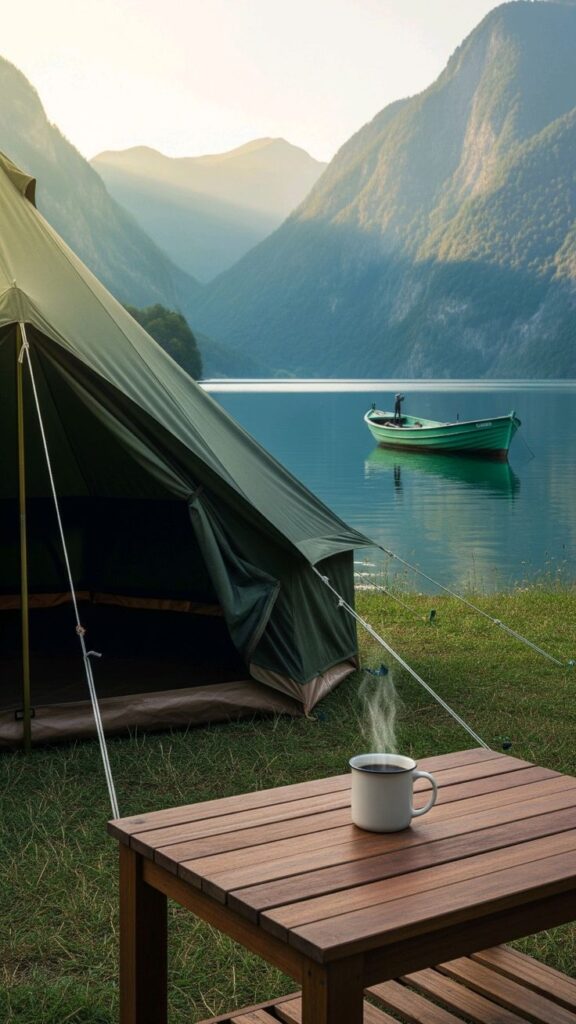
Diving into a canoe camping adventure takes more than just enthusiasm and a boat. The foundation lies in careful trip planning and knowing what sets these journeys apart from other forms of camping. Being efficient with supplies, choosing routes wisely, and understanding watercraft capabilities lay the groundwork for a safe and enjoyable time outdoors.
Whether deciding between canoe or kayak camping or organizing transportation and logistics, early choices shape the entire experience. Some prefer solo paddling, while others enjoy group trips—each option has its advantages depending on preferences, weather, and water conditions.
The essentials of trip planning
Thoughtful planning ensures that every part of the adventure runs smoothly from the start. Considerations such as route length, wind direction, portages, and campsite availability all play vital roles in a successful outing. Reviewing maps, researching topography, and checking recent trip reports help prevent unexpected challenges.
Transportation and logistics are as important as picking the right route. Arranging shuttles, confirming launch sites, and ensuring proper vehicle access streamline both departure and return. Group travelers might discuss shuttle options, while solo adventurers should plan their return paths in advance.
Packing lists and gear: what to bring?
A smartly organized packing system is essential since everything must fit securely in the vessel and be manageable during portages. Trusted canoe camping guides often supply sample packing lists and specific gear suggestions tailored to season, region, and individual needs.
Top priorities include lightweight tents, sleeping bags, waterproof dry bags, compact stoves, and first-aid kits. Specialized paddles and versatile clothing that dries quickly also make a difference, as do robust rainwear and sun protection. Using color-coded bags keeps gear easy to find during setup and helps manage sudden downpours efficiently.
Campsite selection, setup, and meals
Choosing where and how to camp greatly impacts both comfort and safety. Ideal campsites offer a balance of beauty, shelter, space, and practicality—especially when weather is unpredictable. Once ashore, staying organized raises morale and minimizes environmental impact. Mealtimes become highlights, providing moments to recharge and connect amid the sounds of the wild.
Both campsite selection and setup call for attention to detail. Factors like prevailing winds, proximity to fresh water, and natural shelter all influence decisions. Careful practices ensure minimal disturbance to the ecosystem, supporting Leave No Trace principles.
How to select and establish a great campsite?
Finding a flat, sheltered spot not far from water—but safely above flood level—is the gold standard for any paddler. It is wise to avoid pitching tents near animal trails or dense undergrowth, protecting both wildlife and campers. Planning tent locations before unpacking, ideally on insulated ground free from rocks or roots, saves effort later.
After securing a site, setting up tarps or shelters early provides insurance against shifting weather. Kitchen areas should remain several meters from sleeping zones and, if possible, downstream. Hanging food from trees in bear-proof sacks protects both provisions and local animals.
Camping meals and food ideas
Many creative camp cooks enjoy preparing meals in advance. Dehydrated stews, pasta dishes, and grain bowls are lightweight and quick to cook, conserving energy for paddling or exploring. On shorter trips, hard cheeses, smoked meats, and sturdy bread stay fresh without refrigeration, adding variety and flavor around the fire.
Good meal organization makes a noticeable difference. Pre-measuring spices and grouping ingredients by daily menus streamlines cooking and cleaning. Embracing one-pot recipes cuts down on dishwashing, leaving more time to savor sunsets or gaze at the stars.
- Lightweight stove or grill
- Packable cookware and utensils
- Non-perishable snacks and trail mixes
- High-energy breakfast options
- Hot drinks for chilly evenings
Safety, navigation, and bushcraft skills
Every memorable expedition relies on a blend of safety knowledge, navigation techniques, and bushcraft skills. Whether facing sudden storms or tricky channels, being able to adapt brings confidence and lowers risks. Mastering fundamental outdoor abilities rounds out the toolkit needed for worry-free exploration.
Learning to read landscapes, interpret currents, and respond to emergencies transforms challenging stretches into rewarding stories. Maps, compasses, GPS units, and practiced observation serve as trusted backups if devices fail. With solid preparation, there is more time to enjoy scenery and less need for troubleshooting.
Canoe camping tips for safety and navigation
Understanding local hazards means anticipating strong winds, hidden rocks, and changing currents unique to each waterway. Practicing kayak rescues, throw bag throws, and swiftwater self-rescue builds readiness and resilience. Participating in water-based safety courses offers valuable firsthand experience and expert feedback.
Establishing checkpoints along the planned route helps maintain direction and pace. Keeping emergency contact information and a basic repair kit within easy reach allows for rapid response to minor issues. Simple routines such as morning gear checks can prevent many common troubles out on the water.
Bushcraft and wilderness skills worth mastering
Experienced paddlers often combine classic bushcraft skills like starting fires in wet conditions, identifying edible plants, and building effective shelters. Other vital tasks include filtering drinking water, practicing minimal-impact techniques, and reading animal signs along the shoreline. These habits safeguard fragile habitats and deepen respect for the wild.
Time invested in learning about local flora and fauna always pays off. Recognizing bird calls, tracking footprints, or observing subtle changes in nature not only enhances enjoyment but may alert campers to approaching weather or nearby wildlife. Bringing field notebooks turns curiosity into a rewarding pastime.
Frequently asked questions about canoe camping
What is the difference between canoe and kayak camping?
While both share similarities, canoe camping typically involves open boats that provide more space for gear and easier packing compared to kayaks. This extra room makes longer trips with bulkier equipment simpler in canoes. In contrast, kayak camping offers greater speed and efficiency over long distances but generally features smaller storage compartments.
- Canoes are open-topped with bench seating.
- Kayaks feature closed hulls and enclosed cockpits.
- Paddling technique and maneuverability differ between the two craft.
How does one build an efficient packing list for canoe camping?
Start by dividing gear into core categories such as shelter, cooking, safety, clothing, and food. Consult established canoe camping guides and factor in expected weather and remoteness. Opt for multi-use items and minimize single-purpose products to save space and weight.
- Create a checklist for each category (sleeping gear, kitchen, tools).
- Prioritize waterproof containers for electronics and important documents.
- Test-pack the canoe at home to verify fit and accessibility.
| Gear type | Recommended quantity |
|---|---|
| Tent | 1 per group (or pair, for privacy) |
| Dry bag | 2-3 per person |
| Cooking pot | 1-2, depending on group size |
Which canoe camping tips help improve safety and navigation?
Before launching, it is best to share plans with someone who is not joining the trip and check the latest weather forecast. On the water, wearing a personal flotation device at all times is crucial. Maintain regular map checkpoints and practice basic rescue moves to boost preparedness.
- Carry a whistle and signaling mirror.
- Practice entering and exiting a capsized boat in shallow water first.
- Bring a paper map and compass even if digital devices are available.
What transportation and logistics challenges might arise?
Many trips require figuring out how to move vehicles to take-out points or arranging pickups. Depending on the region and access, securing parking, shuttles, or permits can be complex. Weather delays and access restrictions sometimes lead to detours or wait times that must be managed.
- Check parking rules at both entry and exit points.
- Communicate arrival and departure plans clearly with contacts.
- Identify alternative pickup sites in case conditions change suddenly.