
Canoe hunting: tips and techniques for the adventurous outdoorsman
Canoe hunting brings together tradition, challenge, and a genuine bond with nature. Paddling across marshes, rivers, and quiet lakes opens up new opportunities to reach unexplored game trails and remote spots rich in wildlife. Those ready to leave the truck behind often find unexpected success in places that less inventive hunters rarely explore.
Why paddle power unlocks better hunting spots?
Heading into the backcountry by canoe provides access to areas where vehicles simply cannot go. This advantage is particularly noticeable on public land hunting sites, which usually see heavy activity near established trails or parking areas.
A canoe allows for a stealth approach, making it easier to hunt skittish animals such as waterfowl or whitetail deer. With its low profile and quiet movement across the water, approaching bedding zones, feeding banks, or staging ducks becomes much simpler than stumbling through brush on foot.
Popular types of hunts from a canoe
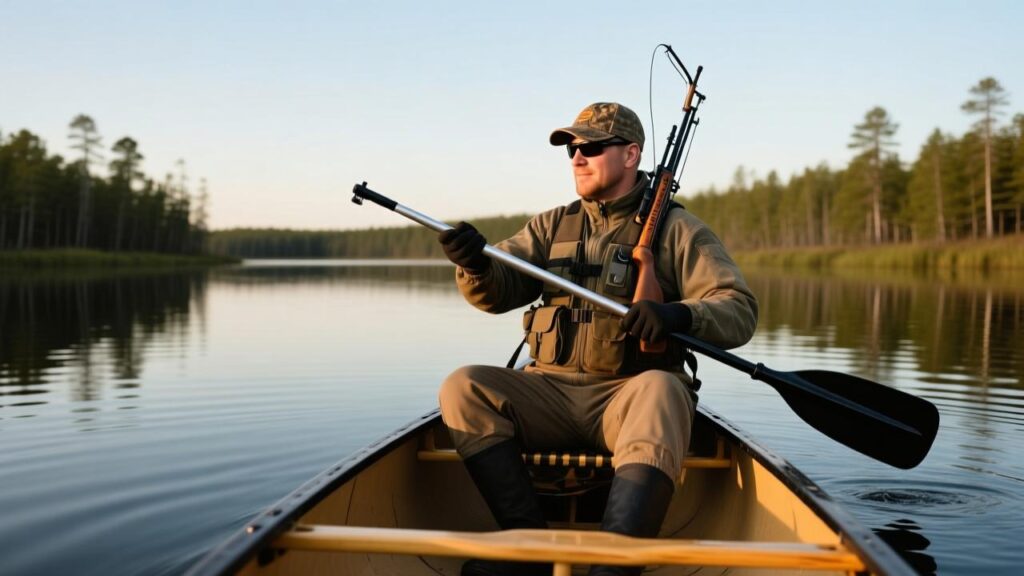
Many hunters use canoes to pursue various species in diverse settings. Whether tracking elusive big game or waiting for migratory birds, each target requires different tactics. Canoe hunting appeals to those looking for both variety and adventure throughout the season.
How does duck hunting from a canoe differ from traditional setups?
Duck hunting from a canoe completely changes the typical strategy compared to using bank blinds or large boats. The ability to move quickly between secluded pockets lets hunters adapt to shifting winds and bird activity. Decoy placement becomes more dynamic, opening up fresh cover and microhabitats as the morning progresses.
This method also helps reduce pressure on popular hotspots. Ducks spend more time in undisturbed waters, rewarding hunters willing to venture beyond the usual boat ramps or busy shorelines. Canoes excel at navigating shallow sloughs and reedy channels where other crafts would get stuck.
Can canoe hunting help with whitetail deer hunting?
River hunting offers unique opportunities for whitetail deer enthusiasts. Floating quietly before dawn allows discreet access to bedding areas or crossing deep-water barriers that deter most hunters. A well-chosen launch spot can transform dense public tracts into productive honey holes.
Some hunters transport treestands and gear by canoe, reducing ground scent and disturbance along regular access routes. This “water sneak” technique proves especially effective during periods of high hunter pressure, such as the rut or gun seasons.
Canoe types and recommendations for hunting adventures
Selecting the right canoe is crucial for hunters. The best design balances storage capacity, stability while standing, and easy paddling even when loaded down with equipment.
Canoes built for hunting are typically wider and flatter than racing or touring models, providing extra stability when handling firearms or retrieving gear. Durable materials withstand shoreline scrapes and dragging over gravel bars, ensuring longevity and safety in rugged environments.
Assessing canoe stability and safety factors
Stability should always be a top priority when choosing a canoe for hunting. Good balance is essential for sitting comfortably, adjusting shooting positions, or picking up game from the water. Wider hulls and lower seats enhance stability, offering peace of mind against sudden tip-overs without sacrificing visibility.
For solo travelers or those hauling lots of decoys and harvested birds, look for canoes designed for heavier loads and rougher waters. Proper training in self-rescue and basic water safety skills adds another layer of protection. Never underestimate the risks of changing currents or unpredictable autumn weather.
Tips for organizing hunting gear for canoe trips
Efficient packing makes every trip smoother. Dry bags keep spare clothing, ammunition, and snacks safe from moisture, while small watertight containers protect electronics and licenses. Keeping firearms out of direct sun but within arm’s reach enhances safety during active moments.
- Padded gun cases for easy launching and landing
- Anchor systems for stopping quickly at promising locations
- Flotation vests rated for cold-water conditions
- Compact seats or kneeling pads to minimize fatigue
Space-saving solutions like collapsible blinds or integrated rod holders are handy if mixing fishing and hunting during a trip. Organizing gear according to its sequence of use prevents frantic searching in the middle of a hunt.
Mastering the stealth approach for wary game
Gliding silently through cattails or hugging shaded banks takes practice as well as the right equipment. Avoid striking paddles against the canoe or scraping the hull on submerged branches—small noises travel far over water and can alert sensitive wildlife.
Experienced canoe hunters develop slow, smooth paddle strokes and alternate sides to minimize splashing. When hunting with a partner, synchronized movements and whispered communication prevent unnecessary disturbance. Stealth may look effortless but comes only after many early mornings spent perfecting technique on calm rivers.
What challenges come with river hunting?
Factors such as current direction, water depth, and wind strength all play roles in river hunting plans. Studying river maps beforehand helps avoid surprises, and scouting for natural cover points identifies ideal ambush sites. Wet leaves, hidden logs, and shifting sandbars call for constant vigilance.
- Mark public land boundaries in advance
- Check for seasonal flood risks
- Watch out for rapidly changing weather affecting navigation
Observations from scouting—like animal travel corridors or overlooked oxbows—quickly become invaluable intelligence for future outings. Patience and preparation reward hunters with experiences few enjoy from the roadside.
Essential reminders for accessing remote hunting areas
Reaching remote hunting areas by canoe requires thoughtful planning. Always inform someone reliable about departure times, intended routes, and estimated return windows. Keep spare paddles and backup lights easily accessible.
Monitor weather forecasts closely, as conditions can shift quickly around water. Even simple tasks such as finding solid take-out points or preparing for muddy exits make a big difference after a long day. Staying proactive keeps the adventure enjoyable and safe.
Answers to frequent questions about canoe hunting
Which features matter most when selecting a canoe for hunting?
Stability, capacity, and rugged materials are key considerations. A solo hunter might choose a shorter, lighter canoe for maneuverability, while groups benefit from tandem or larger models with increased cargo space. Focusing on flat-bottomed hulls and reinforced ends helps prevent problems in shallow, obstacle-filled creeks.
- Wider hulls for improved balance
- Ample storage for decoys or deer
- Strong gunwales for securing hunting gear
How does one ensure safety during river hunting?
Always wear a properly fitted flotation device. Learn self-rescue maneuvers and avoid pushing limits with unstable loads or questionable weather. Prepare an emergency kit—including first aid supplies, signaling devices, and dry clothes—to further reduce risk. Checking local rules ensures compliance with area-specific requirements.
- Paddle with a partner whenever possible
- Avoid low-head dams and strong currents
- Carry weatherproof maps and GPS for navigation
What are some key advantages of public land hunting by canoe?
Public land hunting by canoe grants access to areas untouched by road-bound crowds. Waterways allow passage through challenging terrain and help avoid leaving human scent along busy trails. Hunters enjoy more options without needing private permissions, increasing chances for diverse quarry:
- Extensive wetland sections unreachable on foot
- Spoil islands, hidden oxbows, and secluded timber strips
- Diversified strategies for nearly any species
Does canoe hunting work equally well for beginners?
Beginners might initially struggle with balance or loading weight, but most skills improve quickly with time spent on the water. Many discover that patient, careful learning builds confidence and leads to memorable experiences. Practicing close to shore and joining experienced companions accelerate progress safely.
- Begin in calm, familiar waters
- Opt for lightweight gear at first
- Consider lessons if unsure about canoe handling