
Finding the right kayak for fat people: enjoy paddling no matter your size
Dreams of peaceful lakes and winding rivers truly have no size limit. For those with a larger build who wish to embrace kayaking, selecting the proper gear becomes crucial. The industry now recognizes that larger paddlers deserve not only comfortable outfitting and stable kayaks, but also a high weight capacity—without sacrificing performance or enjoyment. This guide explores what makes an ideal kayak for overweight people, highlights essential features to prioritize, and shares practical advice to maximize comfort and confidence on the water.
Key features in a kayak for bigger people
Paddling successfully depends on balance, maneuverability, and overall comfort. Individuals who are heavy or possess a taller or broader frame often find standard models restrictive or unstable. Fortunately, manufacturers have responded by creating specialized designs aimed at providing big guys the same level of security and fun as everyone else. Understanding which elements truly matter will help avoid unnecessary frustration and wasted money.
While wide cockpits and high weight capacity are non-negotiable, other aspects such as accessibility, adjustability, and ergonomic support are equally important. A well-fitted kayak reduces fatigue and allows for greater freedom whether exploring, fishing, or simply enjoying the scenery. Delving into these considerations ensures better choices and more rewarding adventures.
Why are high weight capacity and stability so important?
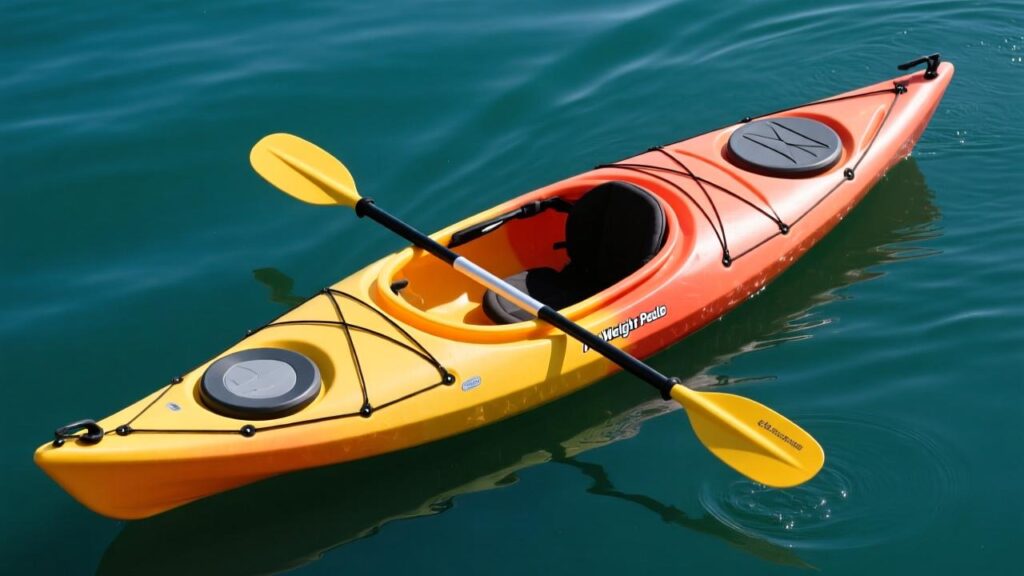
An optimal kayak for heavy people must offer ample weight capacity while remaining easy to control. Models with a high weight limit typically begin at 350 pounds, with certain sit-on-top kayaks accommodating even heavier loads. Overlooking this factor may result in unsafe experiences or disappointing performance.
Stability proves just as vital. Stable kayaks are engineered to handle shifts in body movement and choppy waters, making them safer and more enjoyable for all skill levels. This is especially true for larger paddlers who may be less comfortable in narrow, tippy boats. Many fishing kayaks excel here, combining rugged construction with forgiving handling and ample space.
Fishing kayaks and sit-on-top options for overweight people
A growing selection of fishing kayaks and sit-on-top kayaks now caters specifically to large-bodied paddlers. These designs naturally encourage inclusivity due to their thoughtful proportions and functional layouts.
What makes fishing kayaks ideal for big guys?
Fishing kayaks stand out with their wide cockpits, highly stable hulls, and impressive weight capacities. Many feature reinforced seating and intuitive entry and exit systems designed for those who require extra room and support. By anticipating frequent movement and gear adjustments, these kayaks deliver exceptional comfort and stability throughout long days on the water.
In addition to supporting significant weight, most fishing models boast generous storage compartments. This means that even when carrying personal equipment or fishing accessories, the boat remains reliable and secure. Larger individuals appreciate how easily they can board and disembark without hassle.
Are sit-on-top kayaks better for larger paddlers?
Sit-on-top kayaks are among the most accessible choices for overweight people thanks to their open design. There is no tight cockpit to squeeze through; instead, paddlers benefit from abundant space and unrestricted movement. Drainage holes prevent water buildup, reducing complications during re-entry after a swim or capsize.
These stable kayaks are generally wider, comfortably accommodating broader hips and longer legs. Features like adjustable footrests, padded seatbacks, and customizable rigging allow each user to tailor their setup for optimal ease—even over extended outings. Concerns about self-rescue are minimized with these straightforward, accommodating styles.
Relieving pressure points: comfortable outfitting for heavy people
No one wishes to spend hours constantly shifting or battling discomfort mid-paddle. Comfortable outfitting is particularly crucial for anyone seeking a kayak for fat people. Look for seats with thick cushioning, breathable materials, and straps that can be adjusted for personalized support where it matters most.
Certain models provide elevated seating to relieve knee strain and foster healthy posture. Larger paddlers should focus on kayaks that enable smooth position changes rather than restricting movement. Enhancements such as extra cushions, neoprene covers, or removable thigh pads let each individual further personalize their ride for maximum enjoyment.
Choosing between solo and tandem kayaks for heavier paddlers
It is common for larger paddlers to wonder if tandem kayaks might offer increased comfort or safety compared to solo versions. While there is no universal answer, understanding the distinctions between these types helps clarify which option aligns best with specific needs.
Do tandem kayaks suit overweight people better?
Tandem kayaks frequently provide higher weight capacities, ensuring plenty of room for multiple riders or substantial gear. However, this advantage comes with added length and slightly more complex maneuvering. Those traveling with companions or pets often value tandem flexibility, knowing the hull can accommodate varying body sizes securely.
When sharing a kayak, both users should assess seat adjustments to guarantee adequate legroom and back support for all on board. Proper weight distribution is crucial, as maintaining balance becomes more challenging with two occupants.
Are solo kayaks still a viable choice for heavy people?
Modern solo kayaks address the full range of paddler builds, blending agile handling with frames sturdy enough for high weight limits. Their compactness simplifies loading, storage, and transport—ideal for those venturing out alone or with family.
For those preferring solo adventures, today’s single-user designs ensure independence without compromising comfort or safety. Before purchasing, always verify the model’s specifications regarding recommended load, cockpit width, and access dimensions to match individual requirements.
Tips for maximizing safety and enjoyment on the water
Prioritizing safety transforms hesitant beginners into confident enthusiasts. Although every body type is unique, several guidelines enhance protection and peace of mind for all paddlers. Life jackets, hydration, and sun protection remain fundamental, but additional measures benefit heavier kayakers.
- Always confirm combined (body plus gear) weight remains within manufacturer recommendations
- Choose wide, durable paddles suited to the kayak’s width and personal reach
- Select launch sites with gentle slopes or floating docks for easier boarding
- Test different kayak models, as comfort varies greatly depending on body shape
- Connect with local clubs or groups for firsthand tips from experienced large-paddler enthusiasts
Larger individuals gain much more from excursions when feeling thoroughly prepared and supported. Practicing wet exits and entries in shallow water increases confidence. Keeping snacks, drinks, or essential medication easily accessible adds another layer of reassurance for longer journeys.
Common questions about kayaks for heavy people
What defines a high weight capacity kayak for larger paddlers?
High weight capacity refers to the total supported weight, including both paddler(s) and all carried gear. Most stable kayaks for overweight people start at a minimum of 350 pounds and often go up to 400–500+ pounds, especially within the fishing kayak category. It is vital to consider the weight of packed equipment in addition to body weight for safe use.
- Review the stated maximum load before purchase
- Select a model offering a 50–75 pound buffer above expected total weight
- Be aware that loaded storage compartments may reduce actual available seat area
| Type | Average Max Capacity (lbs) |
|---|---|
| Standard recreational | 250-300 |
| Sit-on-top/fishing | 350-550 |
| Tandem/inflatable | 450-650 |
Which kayak style suits big guys looking for maximum stability?
Sit-on-top kayaks and fishing kayaks are top choices for those prioritizing stability. Their broad hulls lower the center of gravity, minimizing tipping risks even when standing or shifting. These designs also make getting in and out far simpler compared to narrower touring or racing options.
- Sit-on-top kayaks: best for open water comfort
- Fishing kayaks: ideal for activities demanding flexible gear arrangements
How can heavy people make kayaking more comfortable?
Prioritize outfitting that permits movement and minimizes pressure points. Invest in cushioned seats, supportive backrests, and foot braces tailored to individual leg and shoe size. Trying various paddle lengths can also improve reach and reduce wrist fatigue. Some choose water shoes with thick soles for enhanced traction during boarding.
- Add extra seat padding or lumbar support as needed
- Install adjustable foot pegs for customized fit
- Keep sunscreen and snacks handy for regular comfort breaks
Is a wide cockpit necessary for larger paddlers?
Absolutely—a wide cockpit significantly enhances the experience for heavy people. Ample width offers freedom for leg and torso movement, simplifies entering and exiting, and reduces feelings of restriction. Fishing kayaks and sit-on-top kayaks almost always provide larger openings than slim recreational models. Still, it is wise to compare specific measurements to personal preferences before making a final decision.