
Canoe portage: mastering the art of carrying canoes between waterways
What happens when those idyllic paddling routes are interrupted by stretches of land? This is where canoe portage truly shines. It involves much more than simply lifting a canoe overhead and walking through the woods. For anyone embarking on multi-lake adventures or navigating rivers dotted with rapids, honing effective portaging techniques transforms what could feel like a daunting chore into an almost meditative rhythm.
From carrying canoes along rugged forest paths to thoughtfully selecting portage packs and gear for transporting supplies, countless small details shape each portaging experience. Understanding practical tips, making smart gear choices, and respecting trail etiquette help keep backaches at bay and spirits high—even if the legs tire long before reaching the next put-in.
What defines classic canoe portage?
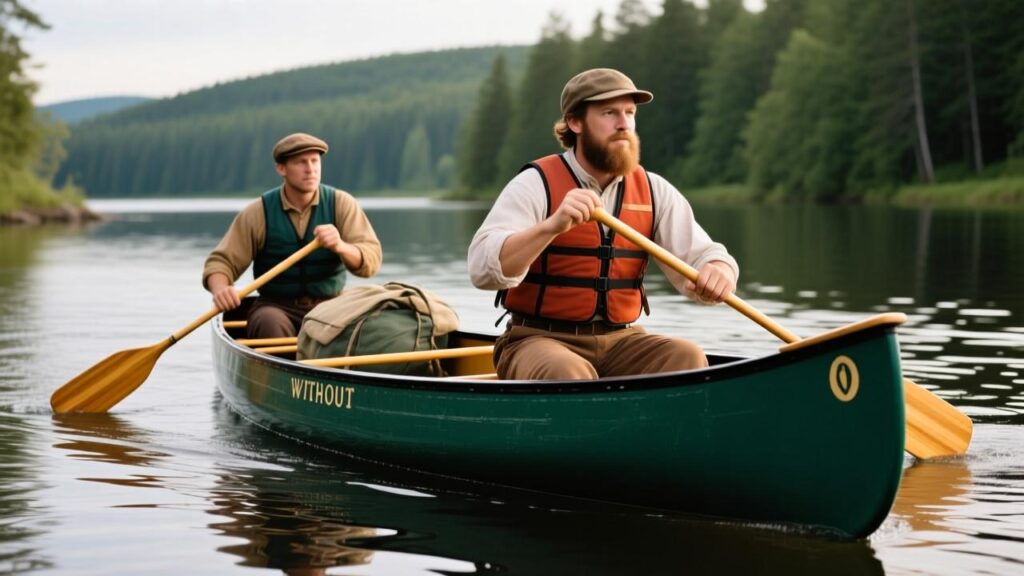
At its core, canoe portage means moving watercraft, people, and essential gear between two navigable points separated by land. Whether retracing ancient trade routes or following modern wilderness trails, this process bridges the gap wherever paddlers cannot float their way through.
Typically, a portage trail winds around waterfalls, bypasses impassable rapids, or crosses peninsulas between lakes. While time spent portaging might feel like a detour, it often becomes an adventure in itself for those who embrace the challenge.
The essential basics: gear, packing, and preparation
Selecting the right gear for portaging stands out as the first crucial step toward a successful journey. Not every item that fits in a canoe will be pleasant to carry overland, so thoughtful planning early on helps minimize stress later.
Lightweight loads are not just a luxury on portage trails—they make a real difference. Choosing ultralight canoes eases aches, while investing in durable and comfortable equipment protects backs and shoulders from strain. Those new to the process might question whether bulky items suit challenging terrain, but packing smarter, not merely lighter, usually makes a bigger impact.
- Select waterproof portage packs matched to distance and load size
- Quick-access storage for snacks and maps streamlines efficiency
- Adjust backpacks and hip straps properly for balanced weight distribution
Lifting and carrying methods adapted for comfort
Mastering various lifting and carrying methods pays off significantly during longer portages. Practicing different strategies ensures smoother transitions and reduces mishaps on rocky sections or muddy inclines.
Carrying canoes demands both finesse and physical strength. Struggling with poor technique often leads to sore muscles and fatigue, but even simple adjustments in grip or posture can make repeated trips down the same portage trail far less taxing.
The right yoke design and padding
Anyone who regularly tackles portages quickly notices how much difference a well-designed yoke and proper padding provide. Good shoulder padding distributes weight evenly and reduces the wear and tear of frequent lifts. Some canoes feature contoured wooden or foam yokes that ease pressure points, while others benefit from creative homemade solutions—a smart customization for dedicated trippers.
Fine-tuning the fit until the yoke rests centered on the shoulders with minimal sway or discomfort is key. Once dialed in, setting a canoe down and hoisting it onto the shoulders feels natural, even after hours of travel.
Canoe carts and wheels for easier hauling
On longer portage trails or relatively smooth surfaces, using a canoe cart with sturdy wheels brings noticeable relief. Shifting most of the weight onto the cart means less effort is required, allowing paddlers to focus on pace instead of balancing heavy overhead loads.
The usefulness of canoe carts depends on trail conditions—rocky areas, roots, or steep hills may still require traditional shoulder carries. Having the flexibility to switch between pushing, pulling, and lifting adds valuable versatility. Many choose collapsible carts for multi-day expeditions, adapting as trail conditions change.
Packing and transporting supplies efficiently for portage
Perfecting the art of transporting supplies is vital for enjoyable portaging. Specialized portage packs and gear designed for outdoor trekking offer clear advantages over regular luggage. Every detail counts when energy and daylight are limited.
A major consideration involves minimizing bulk while keeping all essentials protected and accessible. Finding this balance cuts down on wasted time repacking or returning for forgotten items.
Organizing portage packs for quick access
Effective organization of portage packs centers around logical compartmentalization. Grouping cooking accessories in one dry bag, layering clothing and sleeping gear, and using exterior pockets for rain jackets or insect spray saves trouble later.
Color-coding and clearly labeling bags has a big impact during fast transitions—and prevents the frustration of searching for misplaced objects. Smart organization lightens not only the pack but also the psychological load of the trip.
Improving equipment durability and comfort
Durability does not have to come at the expense of comfort. High-quality backpacks and belts built for rugged use protect both joints and gear, especially when every ounce matters. Materials such as Cordura nylon resist abrasion, while breathable mesh panels help regulate temperature against the skin.
A well-fitted harness featuring adjustable shoulder straps, chest clips, and lumbar support corrects posture and boosts stamina. Replacing worn straps or reinforcing seams extends equipment lifespan—something experienced paddlers value when weather turns or support is far away.
Choosing the right portaging techniques for each scenario
Every environment presents unique challenges, making adaptability essential. Being open to modifying portaging techniques enhances safety, speed, and confidence, particularly during unpredictable weather or when daylight fades.
Paddlers often debate solo versus team portages, or whether double-carrying heavy loads beats taking several shorter trips. Observing experienced crews reveals a wide range of personal preferences—showing there is no single ‘right’ approach, only best practices learned through trial and error.
- Single-person overhead carries for lightweight, ultralight canoes
- Team lifts for larger or awkwardly shaped boats
- Divide group gear among multiple packs for efficiency
Frequently asked questions about canoe portage
What are must-have features in portage packs and gear?
Seek out waterproofing, ergonomic straps, reinforced bottoms, and extra compartments for easy sorting. Durability should always take top priority, since rough handling and scrapes can quickly wear down lesser gear.
- Padded hip belts for heavier loads
- Weather-resistant zippers
- Lash points for attaching loose gear
| Feature | Benefit |
|---|---|
| Reinforced stitching | Withstands repetitive lifts |
| Contoured backing | Adds comfort for longer treks |
How do paddlers choose between traditional lifting and using canoe carts?
Trail conditions and individual endurance largely guide this decision. Canoe carts excel on smooth, wide trails without many obstacles, whereas shoulder carries become necessary over rough, narrow, or hilly ground. Weather also plays a part—mud or flooding may reduce wheel traction and force a return to manual methods.
- Smooth, maintained paths: Use carts or wheels.
- Uneven, root-filled trails: Stick to manual carries.
- Long distances: Consider switching methods as needed.
Why choose ultralight canoes for portaging?
Ultralight canoes dramatically reduce strain during multiple portages, letting paddlers travel farther with less fatigue. They also unlock remote routes for those who might otherwise avoid complex crossings. For anyone balancing enjoyment with endurance, going ultralight relieves physical burdens and inspires greater ambition.
- Easier solo carries
- Simpler maneuvering through dense brush
- Lower risk of injury due to overexertion
How can paddlers boost equipment durability and comfort on portage trails?
Routine maintenance—like cleaning, drying, and reinforcing weak spots—helps prevent premature wear. Upgrading to padded yokes or replacing worn-out straps instantly increases comfort. Customizing packs with additional foam inserts or weather covers tailored to the destination also pays off.
- Inspect gear before each outing
- Store equipment dry and away from direct sunlight
- Handle repairs promptly, rather than waiting until on the trail